Photo: Jenova20 / Wikimedia · CC BY-SA 3.0
How Birmingham's Drag Queens Took a Bar to Tribunal — and Won
1996. A new bar opens in the Gay Village, and it makes the wrong sort of headlines. This is how Birmingham's queer community said no — and won.
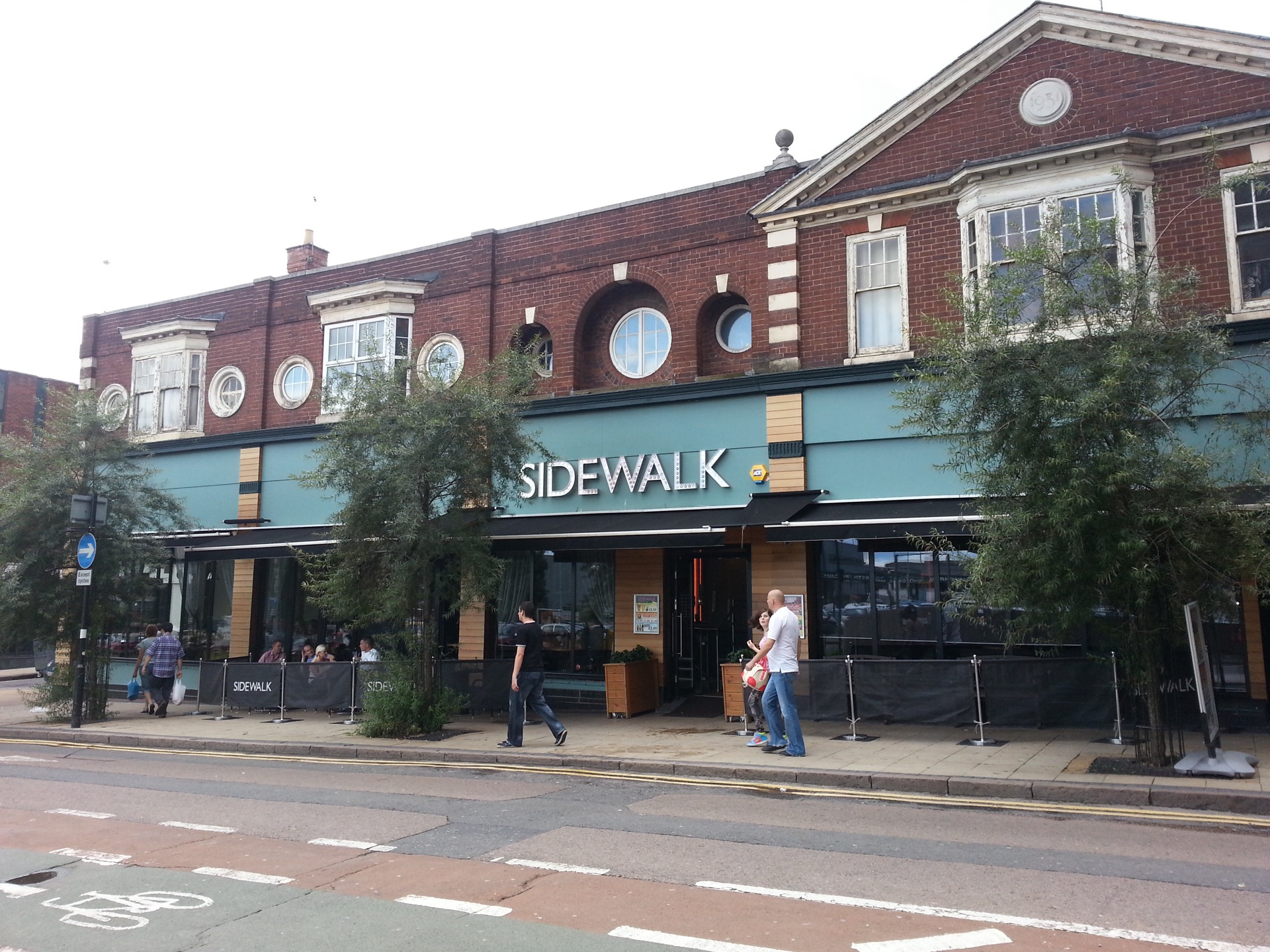
It's 1996. Birmingham's Gay Village is taking the shape we know today — a new bar will open on Hurst Street the next year, with plate-glass windows facing the street and the scene stepping out of the shadows. But that year, on the same streets, a different new bar called Jo Joes is making a different sort of news.
At the door, Jo Joes turns away drag queens. Among them is Miss Billie, a Birmingham drag performer with the kind of presence the scene revolves around. Inside the bar, three women are hired as staff. After one day on the job, they're dismissed.
Word travels fast in a small Village. The community organises a picket. Outside Jo Joes, in plain sight, the queer scene of the city stands and says no — Miss Billie at the front of it.
The three women dismissed after a single shift take Jo Joes to an industrial tribunal. The bar is ordered to pay them compensation.
It knows how to organise. It knows how to win.
That's the story, told plainly. Here is what it adds up to. A bar in Birmingham's Gay Village refused queer people at its door and queer women at its staff entrance, and the community didn't shrug. It organised. It stood outside. Through the women dismissed by the bar, it took the matter to court and made the bar pay.
This is the Birmingham scene that doesn't always make the headlines. It knows how to organise. It knows how to win. It was doing so in 1996. It had done so before, and it has done so since. Worth remembering.
Further reading: Birmingham's queer past is documented by Gay Birmingham Remembered and Birmingham Museums' LGBTQ+ history work — both genuine local LGBTQ+ history sources.